Protecting Norwalk Pets From Mold And Allergens In February

Protecting Norwalk Pets From Mold And Allergens In February
February in Norwalk is often marked by increased rainfall and damp conditions, which may be a welcome change from the dry months but can also bring challenges for your pet’s health. During this wet season, mold spores and indoor allergens tend to multiply, raising the risk of allergies and respiratory issues for both cats and dogs. At AM PM Spay & Neuter Clinic, located at 12852 Pioneer Blvd, Norwalk, CA, 90650, we understand how much you care about your pet’s comfort and wellbeing. That’s why our team of veterinarians wants to help you recognize the signs of mold and allergen exposure, understand how these irritants affect your pet, and take practical steps to ensure a safe home environment this season.
In this post, we will explore how to identify allergy symptoms in cats and dogs, explain why allergies are more common in February, offer advice on reducing indoor triggers, and discuss when it’s time to seek professional veterinary care. You will also discover how our preventive care services can support your pet’s health throughout the year. Our goal is to empower you with the knowledge you need to keep your four-legged family members healthy, comfortable, and happy, even when the weather outside is less than ideal.
Identifying Allergy Symptoms in Cats and Dogs
Allergies in pets can sometimes be tricky to recognize, especially because their symptoms may look similar to other conditions. In February, when mold counts rise and indoor allergens become more concentrated, you might notice your pet displaying certain behaviors or physical changes that differ from their usual routine.
Key symptoms of allergies in cats and dogs include frequent scratching or licking, red or inflamed skin, and excessive shedding. Some pets develop watery eyes or nasal discharge, and you may hear your dog sneezing more often or see your cat scratching at her ears. Respiratory symptoms such as coughing or wheezing can occur, particularly in pets who already have sensitive airways. In some cases, you might also observe changes in appetite or general lethargy, as allergies can make pets feel unwell overall.
It’s important to remember that these symptoms can overlap with other health problems. For example, persistent scratching and hair loss might also indicate parasites or skin infections, while sneezing and eye discharge could be due to a viral illness. If your pet is showing any of these signs, consult with your veterinarian for a thorough evaluation to determine the underlying cause and ensure that your pet receives the most appropriate care.
Why February Brings More Mold and Allergens
February’s weather in Norwalk and surrounding communities tends to be wetter, creating the perfect breeding ground for mold both outdoors and indoors. When moisture seeps into carpets, walls, or pet bedding, mold spores can quickly multiply and linger in the air. As windows remain closed to keep out the chill, indoor air quality can decline, allowing dust mites, dander, and other allergens to accumulate.
Mold spores are microscopic particles that pets can inhale or absorb through their skin. While some pets are more sensitive than others, even healthy animals can experience allergic reactions when exposed to high mold levels. In addition, pets who spend more time indoors during rainy weather may come into closer contact with dust, pollen tracked in from outside, and other environmental irritants.
The risk for allergy flare-ups is highest in homes with poor ventilation or where water damage has gone unnoticed. Damp basements, forgotten corners behind furniture, and even pet toys left in moist areas can all harbor hidden allergens. Understanding that February’s climate creates these challenges is the first step to protecting your pet from discomfort this season.
Treatment and Professional Management of Pet Allergies
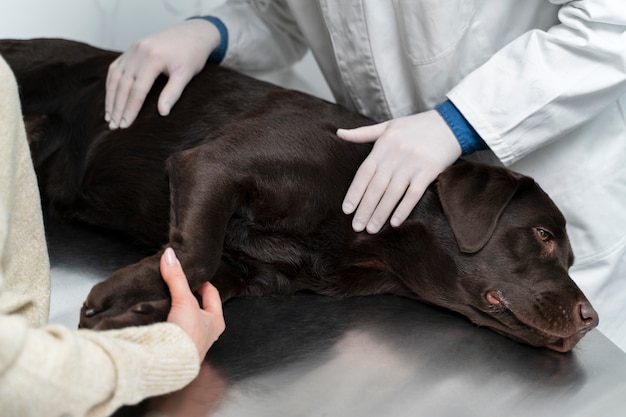
When you bring your pet to AM PM Spay & Neuter Clinic with concerns about allergies, our veterinary professionals begin by performing a thorough physical examination and taking a detailed history of your pet’s symptoms and environment. Diagnosis often starts with ruling out other causes such as parasites, infections, or underlying health issues. In some cases, additional tests, such as a complete blood test, may be recommended to help identify allergies or assess your pet’s overall health.
Treatment options depend on the severity and type of allergy. For mild cases, your veterinarian may suggest topical treatments to relieve itching or prescribe oral medications to control inflammation. Medicated shampoos can soothe irritated skin, while antihistamines may help reduce allergic reactions. In more persistent cases, your pet might benefit from allergy testing or immunotherapy, although these are typically reserved for chronic, severe symptoms.
Environmental management plays a crucial role in treatment. Our veterinarians will guide you on how to minimize your pet’s exposure to mold and allergens at home. If your pet is scheduled for a procedure, such as spay or neuter surgery, and has allergy symptoms, it is vital to inform our team so we can ensure their safety and comfort. We also offer pre-surgical testing to check for any underlying health concerns before anesthesia.
Throughout the treatment process, we emphasize the importance of ongoing monitoring and follow-up care. Allergies are often chronic conditions that require consistent management. By partnering with our veterinary team, you can help your pet maintain a higher quality of life, even during allergy season.
Practical Steps to Reduce Mold and Allergen Exposure at Home
Protecting your pet from February’s allergens begins with creating a clean, dry, and well-ventilated home environment. Start by regularly washing your pet’s bedding, toys, and blankets in hot water to remove accumulated mold spores, dust mites, and dander. Vacuuming carpets and upholstered furniture several times a week can significantly decrease indoor allergens, especially in areas where your pet spends the most time.
Addressing sources of moisture is crucial. Promptly fix any leaks or water damage, and use a dehumidifier in damp rooms such as basements or laundry areas. Ensuring good air circulation by opening windows on dry days can also help reduce mold buildup. If your pet comes in from a walk on a rainy day, dry their fur thoroughly and wipe their paws to minimize the transfer of outdoor allergens inside.
Bathing your pet with veterinarian-recommended shampoos can remove allergens from their skin and coat. However, avoid over-bathing, which can lead to dryness and irritation. For pets with known allergies, your veterinarian may suggest routine preventive care visits, which are a valuable opportunity to catch early signs of trouble and adjust your pet’s management plan as needed. You can learn more about pet vaccinations and preventive care on our website, as these services help support your pet’s immune system year-round.
When to Seek Veterinary Care for Allergies
Sometimes, despite your best efforts at home, your pet’s allergy symptoms may persist or worsen. It is important to recognize when professional care is needed. Warning signs that require prompt veterinary attention include persistent itching that leads to sores or hair loss, ongoing respiratory symptoms such as coughing or wheezing, or any changes in behavior such as decreased appetite or lethargy. Severe allergic reactions, including swelling of the face or difficulty breathing, are medical emergencies that require immediate intervention.
If you are unsure whether your pet’s symptoms are caused by allergies or something more serious, scheduling an appointment with our veterinarians in Norwalk is the safest course of action. Early intervention can prevent complications and help your pet feel better sooner. Our team is here to support you with compassionate care and expert advice tailored to your pet’s unique needs.
Keeping Norwalk Pets Comfortable All Season Long
As February brings wet weather and higher allergen levels to Norwalk and surrounding communities, being proactive about your pet’s health can make all the difference. Recognizing allergy symptoms, understanding the causes, and taking practical steps to reduce exposure will help keep your feline and canine companions comfortable and healthy. Remember, routine preventive care and open communication with your veterinary team are the cornerstones of lasting wellness.
If you notice any signs of allergies in your pet or have questions about maintaining a safe home environment, we encourage you to schedule an appointment with our veterinarians at AM PM Spay & Neuter Clinic. You can also find more information about our complete blood test services and pet vaccinations and preventive care on our website. For pet owners searching for a "vet near me" who truly cares, our veterinary professionals are dedicated to providing the highest standard of care for your four-legged family members.
To schedule your pet’s next checkup or discuss any concerns, call us at (562) 620-5283. We look forward to supporting your pet’s health and happiness, no matter what the weather brings.
This blog is intended for informational purposes only and should not be used as a substitute for professional veterinary advice. Always consult with your veterinarian for diagnosis and treatment tailored to your pet’s specific needs.