
Pet Surgery Recovery: Tips for Norwalk Dog and Cat Owners
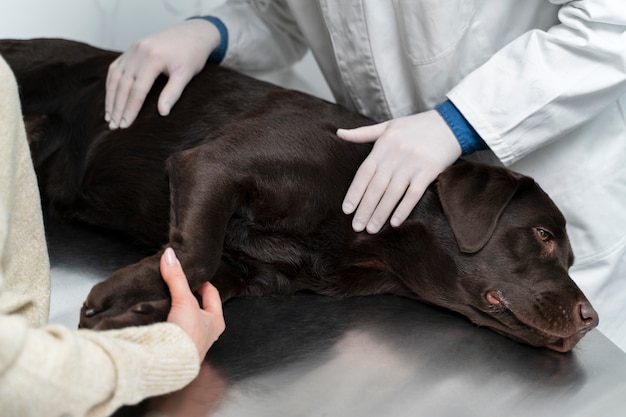
Pet Surgery Recovery: Tips for Norwalk Dog and Cat Owners
When your pet comes home after a spay, neuter, or other surgical procedure, it is natural to feel both relief and worry. You want your four-legged companion to heal smoothly, stay comfortable, and return to their happy self as soon as possible. At AM PM Spay & Neuter Clinic, we know how important your pet is to your family. Our team of veterinarians in Norwalk is dedicated to making every step of the surgical process—before, during, and after—as safe and stress-free as possible. Whether your dog or cat has just had a spay, neuter, or another routine surgery, this guide will walk you through what to watch for, how to help your pet recover, and when to reach out for professional advice. We will also highlight how our spay and neuter services and preventive care support your pet’s lifelong health. If you are preparing for or navigating post-surgical care, read on for expert recovery tips tailored to Norwalk pet owners.
Recognizing Normal vs. Concerning Recovery Signs in Your Pet
Understanding what is typical after pet surgery can help you feel more confident as a caregiver and ensure your pet’s recovery stays on track. Most pets, whether dogs or cats, will experience some sleepiness and mild discomfort in the first 24 to 48 hours. It is common for your pet to be quieter than usual, have a reduced appetite, and show less interest in playing. You may also notice some swelling, mild redness, or a small amount of clear fluid at the incision site.
However, there are certain symptoms that should prompt closer attention. Warning signs after surgery include persistent vomiting or diarrhea, refusal to eat for more than 24 hours, excessive swelling, heat, or discharge from the incision, and difficulty breathing or walking. Other red flags are pale gums, lethargy that worsens instead of improving, or significant bleeding. If your pet seems to be in severe or increasing pain, cries out when moving, or develops a fever, those are clear signals that professional help is needed. In these situations, do not hesitate to contact our veterinary team or seek immediate care.
Most surgical complications are rare, but early recognition makes a big difference. For example, if you notice your pet excessively licking or chewing at their sutures, this can quickly lead to infection or wound opening. Using an Elizabethan collar (cone) or recovery suit as recommended is essential for preventing such issues.
Why Post-Surgical Care Matters for Dogs and Cats
Every pet’s body responds differently to surgery, but providing the right aftercare is universally important. Surgical procedures, especially spay and neuter surgeries, are designed to protect your pet’s long-term health. However, the healing process relies heavily on what happens in the days following the operation.
After a procedure, your pet’s immune system is working to heal tissues and prevent infection. Proper rest, reduced activity, and a calm environment support this healing process. Jumping, running, or playing too soon can place strain on the incision, potentially causing swelling, delayed healing, or even opening of the wound. Dogs and cats also have a natural instinct to lick at sore spots, which is why protective gear is often necessary.
Norwalk’s mild climate typically means pets recover indoors comfortably year-round, but it is still crucial to keep your pet in a clean, dry area away from mud, dust, or outdoor irritants. In multi-pet households, temporarily separating your recovering pet can prevent roughhousing or accidental injury.
Pre-surgical testing, which our clinic offers, helps identify any underlying health issues that could affect your pet’s recovery. This proactive step ensures that your companion is well-prepared for anesthesia and that the post-surgical period is as safe as possible. To learn more about these important steps, visit our pre-surgical testing services page.
Helping Your Pet Heal: Home Care After Surgery
Your role in your pet’s healing journey begins the moment they return home. In the first few days, focus on creating a calm, secure spot where your pet can rest. For dogs, this might mean a cozy bed in a quiet room, away from stairs or active children. Cats appreciate a soft blanket in a favorite corner, with easy access to a litter box.
Limit your pet’s activity by keeping walks short and slow, only for bathroom breaks. Avoid letting your dog jump on furniture or your cat leap onto high surfaces. If your pet is crate-trained, a crate can be a safe retreat during recovery. Always use any prescribed pain medications, antibiotics, or other medications exactly as directed by your veterinarian.
Feeding your pet a light meal the evening after surgery is usually recommended, unless your veterinary team advises otherwise. Some pets may not want to eat much at first, but appetite should return within a day. Encourage gentle hydration by offering fresh water at all times.
Protecting the incision is paramount. Do not wash the area, apply ointments, or remove sutures unless specifically instructed. Inspect the incision twice daily for changes such as increased redness, swelling, or unusual discharge. Prevent licking or scratching by using an Elizabethan collar or recovery suit as instructed.
Monitor your pet’s behavior closely. Signs that your pet is uncomfortable include pacing, whining, hiding, or reluctance to move. If you ever feel unsure about your pet’s progress, the AM PM Spay & Neuter Clinic team is just a call away.
Preventing Complications: Simple Steps for a Smooth Recovery
Some of the most common post-surgical issues, such as infection or suture injury, can be avoided with a few simple precautions. Always follow the post-operative instructions provided by your veterinarian. Keeping your pet indoors during recovery prevents exposure to dirt, bacteria, and other animals that could complicate healing.
Monitor your pet for signs of chewing or licking at their incision. If you notice your pet trying to access the surgical site, reinforce the use of a recovery collar or suit. Avoid bathing your pet until cleared by your veterinarian, as moisture can interfere with wound healing. Keep bedding clean and dry, and minimize stress by maintaining a predictable routine.
If your pet received vaccines or other treatments during their surgical visit, you may notice mild side effects such as temporary soreness or mild swelling at the injection site. These usually resolve quickly, but if you have any concerns, reach out to your veterinary team. For more information about vaccine care, you can explore our pet vaccination services.
In addition to physical care, offer plenty of gentle affection and positive reinforcement. Your pet may need reassurance as they adjust to feeling a little different after surgery. Speak softly, spend quiet time together, and provide favorite toys or treats (as allowed) to help with emotional recovery.
When to Call Your Veterinarian: Signs You Shouldn’t Ignore
While most pets recover from surgery without incident, it is important to recognize when something is not right. Contact your veterinarian if you see continuous bleeding, pus, or foul-smelling discharge from the incision, swelling that worsens instead of improves, or if your pet develops a fever or seems increasingly lethargic. Refusal to eat or drink for more than 24 hours, vomiting, diarrhea, or sudden changes in breathing should also prompt a call to your veterinary clinic.
If your pet removes stitches or a surgical closure, or if the incision opens, seek help immediately. Uncontrolled pain, such as persistent crying, panting, or restlessness, is another sign that professional attention is needed. Your veterinary professionals can advise whether your pet should be seen right away or if simple adjustments at home are sufficient.
At AM PM Spay & Neuter Clinic, we encourage you to reach out with any questions or concerns, no matter how small they may seem. Our primary goal is to support you and your pet through every stage of healing, and we are always happy to provide guidance.
Supporting Lifelong Health After Surgery
Once your pet’s incision is healed and activity restrictions are lifted, you can gradually return to your normal routines. Spay and neuter surgeries are vital preventive measures that reduce the risk of certain cancers and unwanted litters, supporting a longer, healthier life for your companion. Regular preventive care, including wellness exams, vaccinations, heartworm testing, and bloodwork, helps ensure that your pet remains in peak condition.
At AM PM Spay & Neuter Clinic, we are committed to being your trusted partner in every aspect of your pet’s health. If you are seeking a vet near me who values compassionate, thorough care, our Norwalk-based veterinary team is here to help. We proudly serve pets from Norwalk and surrounding communities, offering tailored advice and services to meet your family’s needs.
Ready for a Smooth Recovery? Schedule Your Appointment Today
Your pet’s comfort and safety matter to us. If you have questions about your dog or cat’s surgery recovery, or if you are preparing for an upcoming procedure, the AM PM Spay & Neuter Clinic team is here to support you every step of the way. Schedule an appointment with our caring veterinarians by calling (562) 620-5283 or visiting us at 12852 Pioneer Blvd, Norwalk, CA, 90650.
To learn more about how we can help your pet recover comfortably and stay healthy year-round, explore our spay and neuter services or reach out with your questions. Your pet’s wellbeing is our top priority, and we look forward to partnering with you for a lifetime of care.
This blog is for informational purposes only and does not replace professional veterinary advice. Always consult your veterinarian for specific recommendations regarding your pet’s health and recovery. For urgent concerns, contact your veterinary team promptly.


